Korean art and visual culture have continually taken on new forms at the point where long-standing traditions meet a rapidly changing modern society. Alongside traditional artistic genres such as painting and sculpture, photography, installation art, architecture, graphic design, and digital imagery all contribute to today’s cultural landscape.
This is an independent information space that examines these developments broadly rather than limiting them to a single style or historical period. In addition to individual artworks, it explores the environments in which artists work, the exhibition spaces where art is presented, and changes in design and urban culture. The aim is to explain, in an accessible way, how creative expression in Korea has developed and expanded over time.
From Tradition to Contemporary Art
To understand Korean art, it is useful to view the past and present not as completely separate periods, but as parts of an ongoing process that continually influence one another. Traditional materials, perspectives on nature, and approaches to colour and space are often reinterpreted in new ways by contemporary artists and designers.
At the same time, urbanisation, technological development, international exchange, and social change have introduced new themes and forms of expression. We examine these developments from different perspectives to understand how they have influenced artists’ viewpoints and creative practices.
Looking at Artists and Creative Practices
Each artist expresses the period in which they live through different materials and methods. The scope of artistic practice also continues to expand, from painting and sculpture to photography, installation, video, and digital media. Rather than simplifying Korean art into a single defining aesthetic, we examine how artistic approaches vary according to generation, environment, and personal experience. This also provides insight into how traditional elements are reinterpreted in contemporary forms and how cities, nature, and social change become subjects within artistic practice.
The Connections Created by Exhibitions and Cultural Spaces
Art does not end when a work is completed in the studio. Museums, commercial galleries, independent exhibition spaces, and art fairs play an important role in connecting artworks with audiences while documenting and extending artists’ activities. We also look at exhibition planning and curation, as well as the meaning of solo and group exhibitions, to understand the contexts in which artworks are presented. Historical exhibition records can also serve as valuable sources for examining how artistic interests and creative environments have changed over time.
Visual Culture Beyond Fine Art
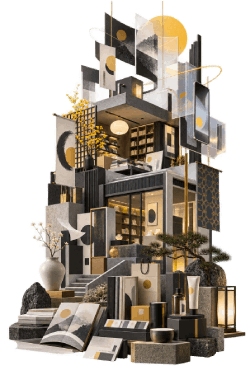
Korea’s creative culture exists far beyond museums and galleries. Visual ideas also appear throughout everyday environments, including architecture, typography, publications, packaging design, commercial spaces, and digital screens.
Looking at design and visual culture alongside fine art makes it possible to understand changes in Korean society and aesthetic sensibilities within a broader context. Attention is also given to the ways traditional elements are not simply repeated, but reinterpreted in response to new technologies and changing ways of life.
An Approach Focused on Reliable Cultural Information
The content focuses on explaining background and context rather than simply evaluating or promoting particular artworks or artists. By connecting different periods, genres, and creative environments, the aim is to provide readers with the information they need to develop their own understanding of Korean art and visual culture. Changes in exhibition practices and creative trends are also examined over time, with the goal of offering accessible resources for both experienced art audiences and those who are only beginning to take an interest in the subject.
Understanding the Relationship Between Art and Society
Korean art and design are difficult to understand separately from wider social change. Urban growth, changing lifestyles, new technologies, and international exchange have influenced the materials and subjects used by artists and designers, as well as the ways creative work is presented to the public.
By examining these relationships, this space looks beyond individual artworks to consider the broader cultural background around them. Ultimately, the aim is to present, in a calm and balanced way, where Korean art and visual culture have come from, how they continue to change, and how they are reaching new audiences today.